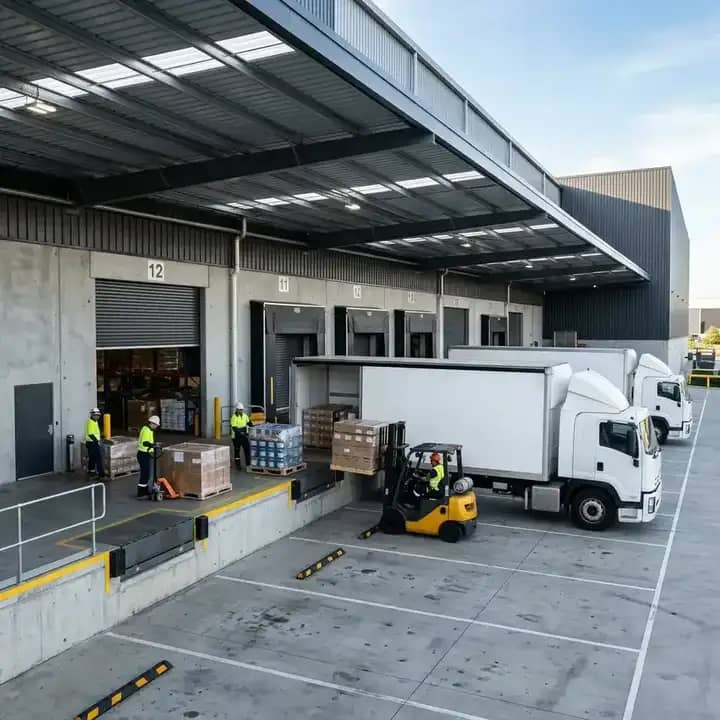
How shippers control freight cost with carrier bidding and rate cards, keep deliveries inside SLA windows, and audit every freight bill.
The Three Main Challenges B2B Shippers Face
Enterprise shippers face three recurring problems every week: market freight rates that fluctuate unpredictably, strict delivery windows that carry heavy late penalties, and carrier freight bills that do not match agreed rates.
Spreadsheets cannot solve these issues effectively because they track plans rather than actual execution. Shippers need a connected platform where agreed rate cards, delivery schedules, and live trip tracking exist in one place, allowing fast rate checks and automated bill auditing.
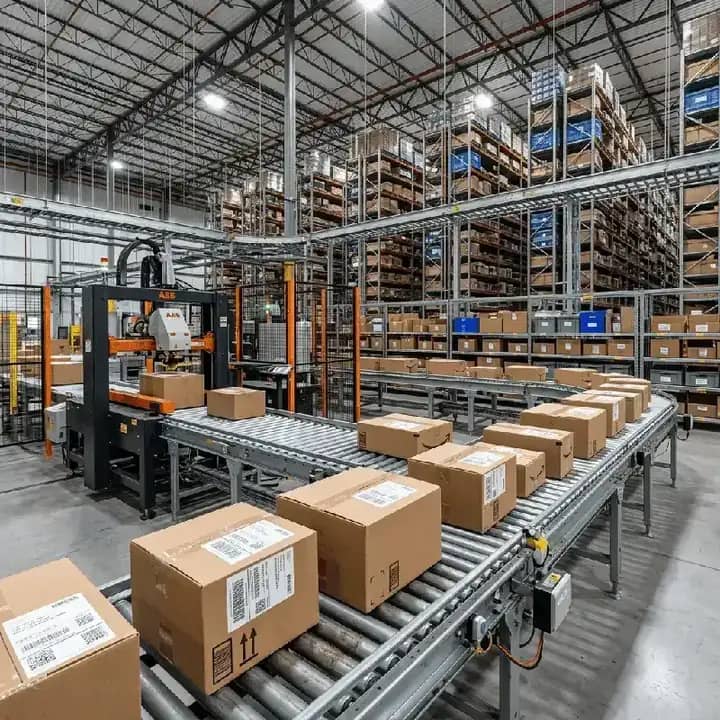
Putting Reverse Bidding to Work for Freight Procurement
FleetSetu’s B2B logistics platform simplifies vendor management through digital load indents and competitive reverse bidding. Your dispatch team broadcasts load requirements to verified carriers, who submit competitive bids in real time.
Contract rate cards enforce agreed pricing caps so spot market bids stay within budget. You get competitive rates for every load with a complete digital record, eliminating endless phone negotiations. Learn more in our B2B logistics guide.
- Broadcast load indents to verified transporters in seconds
- Competitive reverse bidding per load for transparent pricing
- Enforce contracted rate cards automatically across all routes
- Maintain a complete digital audit trail for carrier selection
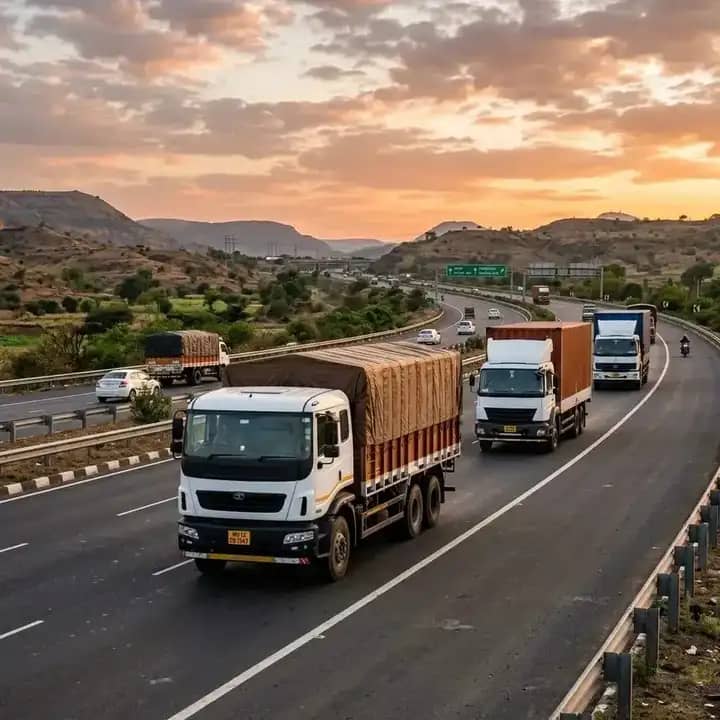
Scheduling Warehouse Dock Slots and Gate Passes
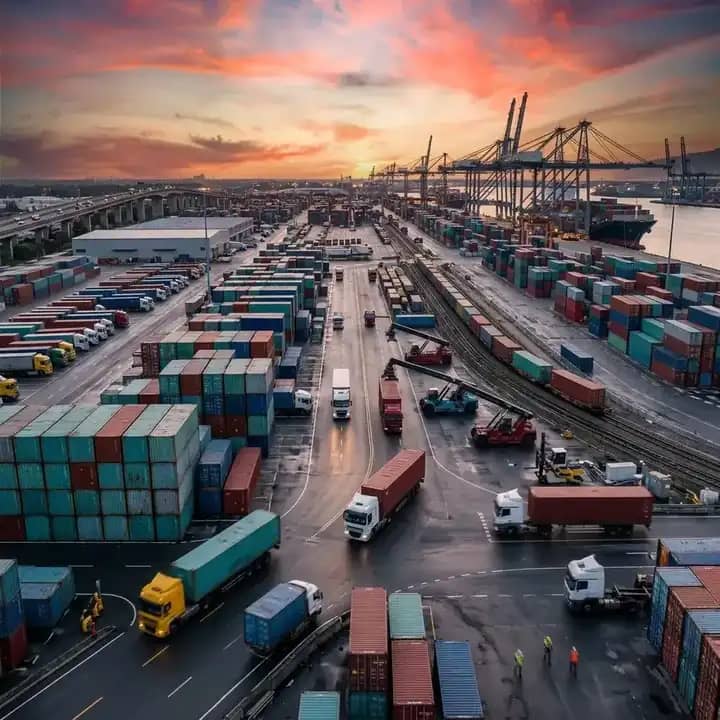
In busy distribution centers, unscheduled truck arrivals cause severe gate congestion, long loading delays, and expensive carrier detention claims. Transporters forced to wait hours at loading bays often pass those delay costs back to you.
Digital dock slot scheduling lets carriers reserve specific loading bay times before dispatching vehicles. Warehouse teams view incoming truck schedules on a real-time calendar, issue digital gate passes, and streamline dock operations without bottlenecks.
- Online appointment scheduling for inbound and outbound trucks
- Issue digital gate passes upon arrival at warehouse gates
- Dramatically cut truck turnaround times (TAT) at loading docks
- Avoid unexpected carrier detention claims and waiting fees
Monitoring Delivery SLAs and Auditing Freight Bills
Meeting promised delivery windows is critical in B2B logistics. FleetSetu monitors active shipments against agreed SLA times and alerts dispatchers to potential delays early — giving you time to act before late-delivery penalties apply.
On the accounting side, carrier freight bills are automatically audited against contracted rate cards and verified digital PODs before payment release. Overbilling stops, and the order-to-cash process completes faster. See this in action in our B2B distributor case study.
- Track SLA delivery windows with early warnings for at-risk shipments
- Audit carrier freight invoices automatically against contract rate cards
- Link verified e-PODs directly to carrier invoice approvals
- Shorten your order-to-cash billing cycle with accurate records
The Week a Vendor Bill Did Not Match
Ask a B2B logistics manager about the most uncomfortable conversation of their month and most will tell you the same story. A carrier submitted a freight bill for ₹6.2 lakh. The manager had a feeling it was high — the route had been run many times before at a lower cost — but proving it meant digging through old emails, paper rate confirmations, and a month of route records. By the time the invoice was checked, approved with a heavy deduction, and argued about with the vendor, everyone had lost a week.
Now compare that with a system that audits the bill automatically. The carrier submits the invoice, and before it reaches the approval queue, the software compares every line against the contracted rate card and the verified trip records. The ₹6.2 lakh bill is returned with a clear, line-by-line explanation of why it should be ₹5.8 lakh — no shouting, no digging through old emails, no relationship damage. The vendor learns that the rate card is enforced, the manager keeps the afternoon, and the saving shows up in the monthly report as if by magic. This is what people mean when they say freight audit — and it is one of the fastest paybacks in B2B logistics.
What Your Operations Team Notices in the First Week
The most immediate change your operations team will notice is the silence. In a manual setup, the dispatch desk hums with phone calls — calling brokers to check rates, calling carriers to chase updates, calling drivers to confirm delivery. On the first day with reverse bidding and automated tracking, much of that noise simply stops. Loads are broadcast in the system, carriers respond there, and the status updates itself.
The second thing they notice is that their day has a shape. Instead of reacting to the loudest problem of the moment, the control tower screen shows everything at once: which loads need a carrier, which deliveries are approaching their SLA window, which bills are waiting for approval. The team starts working down a list instead of fighting fires. Managers often tell us this is the week they first came home without that tired, slightly anxious feeling — the week they stopped being the only thing holding the operation together.
- Rate enquiries move into the system — no more call-and-check
- Loads broadcast to approved carriers in seconds, bids come back in real time
- The control tower shows every active shipment and its SLA risk at a glance
- The team works from one list instead of chasing the loudest problem
Scaling Beyond the First Few Routes
Every B2B operation starts with a handful of routes it runs well, and the temptation is to keep everything manageable by staying small. But growth is where manual processes break first. The moment you add a second warehouse, a new lane, or a seasonal surge in volume, the phone-based system stops coping — orders get delayed, rate agreements get forgotten, and the exceptions multiply faster than the team can handle them.
A platform approach removes the ceiling. New branches connect to the same control tower. New carriers are onboarded into the same bidding pool. New rate cards are enforced with the same audit. The operation does not just get bigger; it gets easier to manage, because the processes were standardized before the volume arrived. That is the real advantage of building your logistics on a platform rather than a pile of spreadsheets — you are not just solving today's dispatches, you are building a business that can take the next order without collapsing.