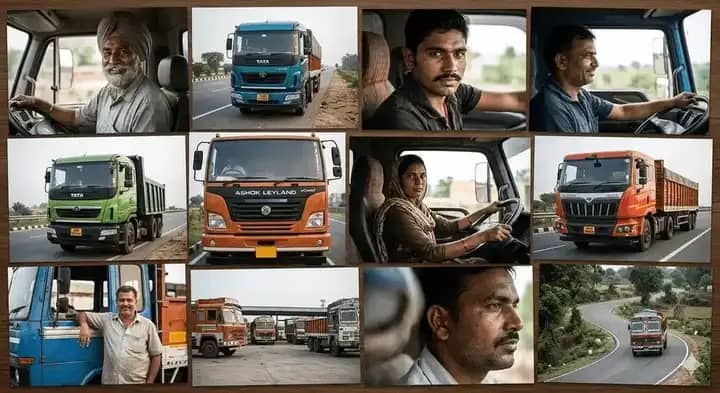
Cash advances, trip allowances, and fuel slips vanish in diaries. A digital driver ledger keeps every rupee attached to the right trip.
Where Did the Trip Advance Money Go?
Before a long-haul truck leaves your yard, the driver receives cash advances for diesel, highway tolls, loading expenses, and daily meal allowances. In traditional transport setups, this cash is handed over at the counter, noted in a pocket diary or paper register, and settled from memory weeks later when the truck returns.
The problem is rarely intentional misplacement — it is simply the lack of clear records. Diesel slips get crumpled, toll receipts get lost on the road, and by the end of the month, reconciling trip expenses turns into an uncomfortable argument between your cashier and driver. Money leaks out, and nobody can reconstruct what actually happened.
How a Digital Advance Ledger Solves the Problem
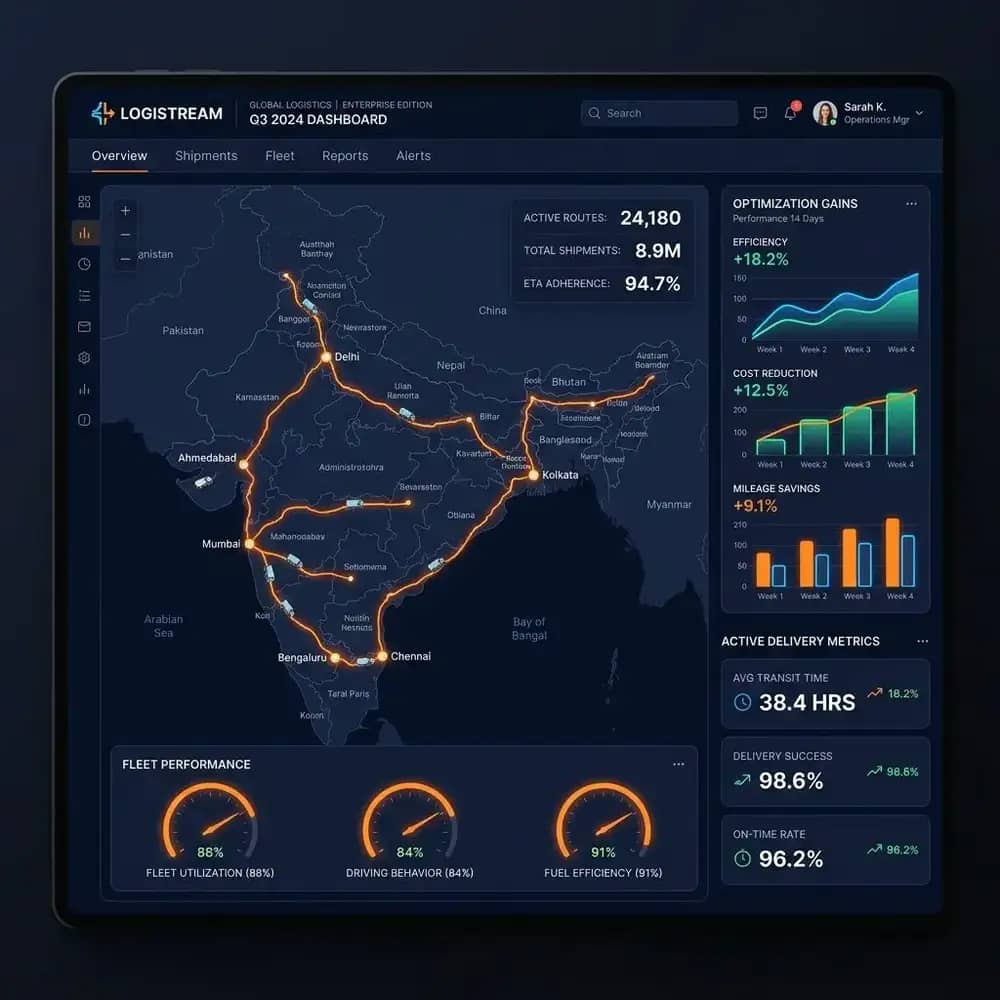
A digital driver advance ledger links every cash advance, fuel slip, and toll expense directly to the specific trip sheet. The cashier enters the advance amount at dispatch, while drivers capture photos of fuel slips and receipts on their phone as expenses happen during the trip.
When the trip comes to an end, the system automatically balances the trip sheet. There are no hand-calculated figures or memory guesswork. Both your manager and driver look at the exact same transparent statement, turning month-end settlements into a quick, dispute-free process.
- Record cash advances directly against trip sheets during dispatch
- Drivers upload fuel slips and expense receipts right from the road
- Automatic balance calculation when closing the trip sheet
- Clear, itemized expense statement for every driver and trip

Tracking Tolls and Miscellaneous Expenses Digitally
Toll debits and petty cash for loading labor or state border charges can add up to significant monthly expenses. When drivers rely on physical receipts for everything, lost slips lead to unverified balances and operational leakage.
Integrating digital FASTag toll accounts and cashless driver wallets ensures every toll debit is automatically logged and matched with GPS route locations. This eliminates duplicate expense claims and removes the hassle of handing out large cash amounts at dispatch counters.
- Direct FASTag integration matches toll charges with GPS vehicle checkpoints
- Digital petty cash wallet for driver meal and stay allowances
- Instant photo uploads for unexpected roadside repairs or minor expenses
- Reduce cash handling risks at branch dispatch counters
Building Driver Trust and Reducing Turnover
Driver turnover is a constant challenge for transport fleet operators. When drivers feel that trip settlements are calculated unfairly or that valid expenses are rejected because of lost paper slips, trust breaks down and drivers leave for other fleets.
A transparent driver ledger sends clear, itemized trip settlement summaries directly to the driver’s phone via WhatsApp in their preferred language. Drivers can see their advances, verified expense receipts, performance bonuses, and final net payout clearly. This transparency builds long-term trust and keeps your drivers loyal.
Connecting Trip Costs to Your Financial Bottom Line
Keeping accurate driver ledgers does more than just safeguard your daily cash — it completes your trip cost accounting. Accurate trip expenses give you reliable freight margins and true profit-and-loss numbers for every single vehicle.
Digitizing driver advances is one of the most effective quick wins in our transport management guide. It brings clarity to daily cash expenses and removes unnecessary friction from your operations.
- Build accurate vehicle profit-and-loss reports based on real expenses
- Eliminate month-end accounting arguments with drivers
- Clear, transparent settlements for every completed trip
- Reconcile fuel and toll expenses accurately per kilometre
A Settlement Conversation That Actually Goes Well
Let us sit in on a settlement meeting in a transport office — the kind that happens every week between the manager and a driver returning from a long trip. In a manual setup, this conversation has a familiar shape. The driver says he spent ₹31,000. The manager has a scrap of paper showing ₹29,000 was handed out. The driver pulls out a crumpled fuel slip for one of the fill-ups; the manager says he has no way to verify the rest. Voices rise, the word "trust" comes up in both directions, and the settlement ends with everyone feeling a little cheated.
With a digital advance ledger, that same meeting takes ninety seconds. The screen shows every advance given at dispatch, every fuel slip the driver photographed on the road, and the calculated balance. There is nothing to argue about because both people are looking at the same complete record. The manager approves, the driver gets his due, and the week's settlement moves from a confrontation to a formality. That is what removing friction from cash actually feels like.
Small Fleets Need This Even More
You might be thinking that a digital advance ledger is for big operators with offices and accountants. In reality, the opposite is true. If you run five or eight trucks, you are likely managing advances personally — handing cash at the counter, keeping notes in a diary, and trusting your memory to reconcile it all later. That is exactly the setup where leakage happens, because there is no second pair of eyes and no written record anyone else can verify.
For a small operator, a digital ledger is less about software and more about peace of mind. Every rupee handed to a driver is recorded the same way every time, and the trip settlement happens on the phone, on the spot, when the truck returns. You do not need an accounts department to benefit — you just need the habit of recording the advance when you hand it over, and the system does the rest of the bookkeeping for you.
- Every advance recorded the moment it is handed over
- Settlements done on the spot, on your phone, when the truck returns
- No more diary entries that only you can read
- A second pair of eyes — the system — on every rupee
The Questions Owners Ask Before Switching
The most common question is whether drivers will cooperate with recording expenses on their phones. In practice, drivers adapt faster than owners expect — they already photograph receipts for their own safety, and most would rather have a clear record than be blamed for money they cannot account for. The second question is about what happens when a driver's phone is off the network, deep in a stretch with no signal. The answer is simple: expenses can be recorded later, when the signal returns, and the advance ledger still reconciles correctly at trip close.
The third question is the honest one — "will this actually stop leakage, or is it just nicer bookkeeping?" The difference is the trip linkage. When every expense is attached to a specific trip and reconciled against its advances, anomalies become visible immediately. A driver who consistently spends 20% more on fuel than the route benchmark gets noticed in the report, not after a year of quiet loss. That is the point where bookkeeping becomes cost control.